
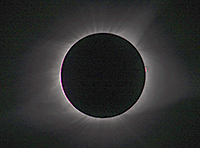
A total eclipse of the sun is probably the most dramatic
of astronomical events accessible to the casual observer of the sky.
Even without optical aid, if one is in the right place at the right
time (both can be very accurately predicted), the change in
the sky is literally the change between night and day, mainly taking
place within the span of just a few minutes.
Although many people claim to have seen a solar eclipse these are most likely just a partial solar eclipse experience. A true total eclipse, however, is a very different thing. In fact the changes due to a partial solar eclipse may be so gradual and subtle as to go unnoticed by anyone not expecting the event.
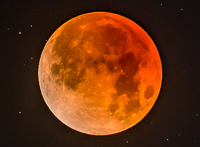
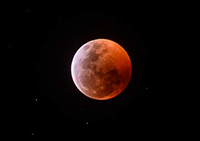
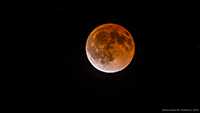
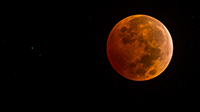
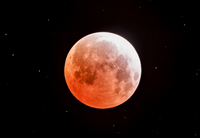
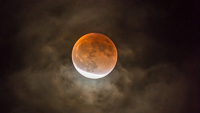
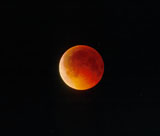
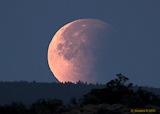
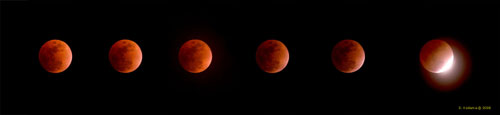
A lunar eclipse is likewise a subtle event taking several hours to occur. And even at the total phase, the moon may not completely disappear from sight, though its color change to a reddish hue might be noticed. Though these are less difficult to see because anyone on the side of the earth facing the moon can see the eclipse, it is still worth making a special effort to see in a dark location. During totality, the Milky Way and other dim objects may be visible along with the eclipsed moon, a combination which can't be seen under most conditions when the normally bright moon washes out the night sky.
Although many people claim to have seen a solar eclipse these are most likely just a partial solar eclipse experience. A true total eclipse, however, is a very different thing. In fact the changes due to a partial solar eclipse may be so gradual and subtle as to go unnoticed by anyone not expecting the event.
A lunar eclipse is likewise a subtle event taking several hours to occur. And even at the total phase, the moon may not completely disappear from sight, though its color change to a reddish hue might be noticed. Though these are less difficult to see because anyone on the side of the earth facing the moon can see the eclipse, it is still worth making a special effort to see in a dark location. During totality, the Milky Way and other dim objects may be visible along with the eclipsed moon, a combination which can't be seen under most conditions when the normally bright moon washes out the night sky.
Solar Eclipses
|
|
|
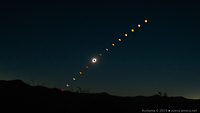
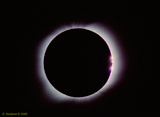
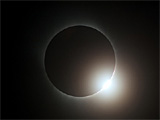
2017 (Glendo, Wyoming) |
2019 (Vicuna, Chile) |
|
|
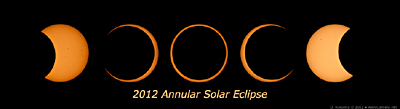
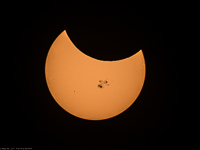
| 2012 (northern Nevada) | 2014 (New Mexico) |
|
|
|
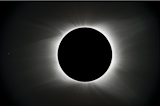
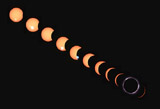
| 2008 (China) | 2009 (China) | 2010 (Easter Island) |
|
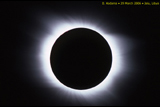
|
| 1999 (Turkey) | 2006 (Libya) |
Lunar Eclipses
|
||||||||||||||||||||||||||||||||||||||||||